Achilles Tendinitis: Treating Heel Pain Before It Becomes Chronic

Understanding Achilles Tendinitis

The Achilles tendon is the strongest tendon in the body, yet it is frequently injured due to repetitive stress and overload.

Achilles tendinitis commonly affects runners, athletes, active individuals, and even patients with prolonged standing activities.

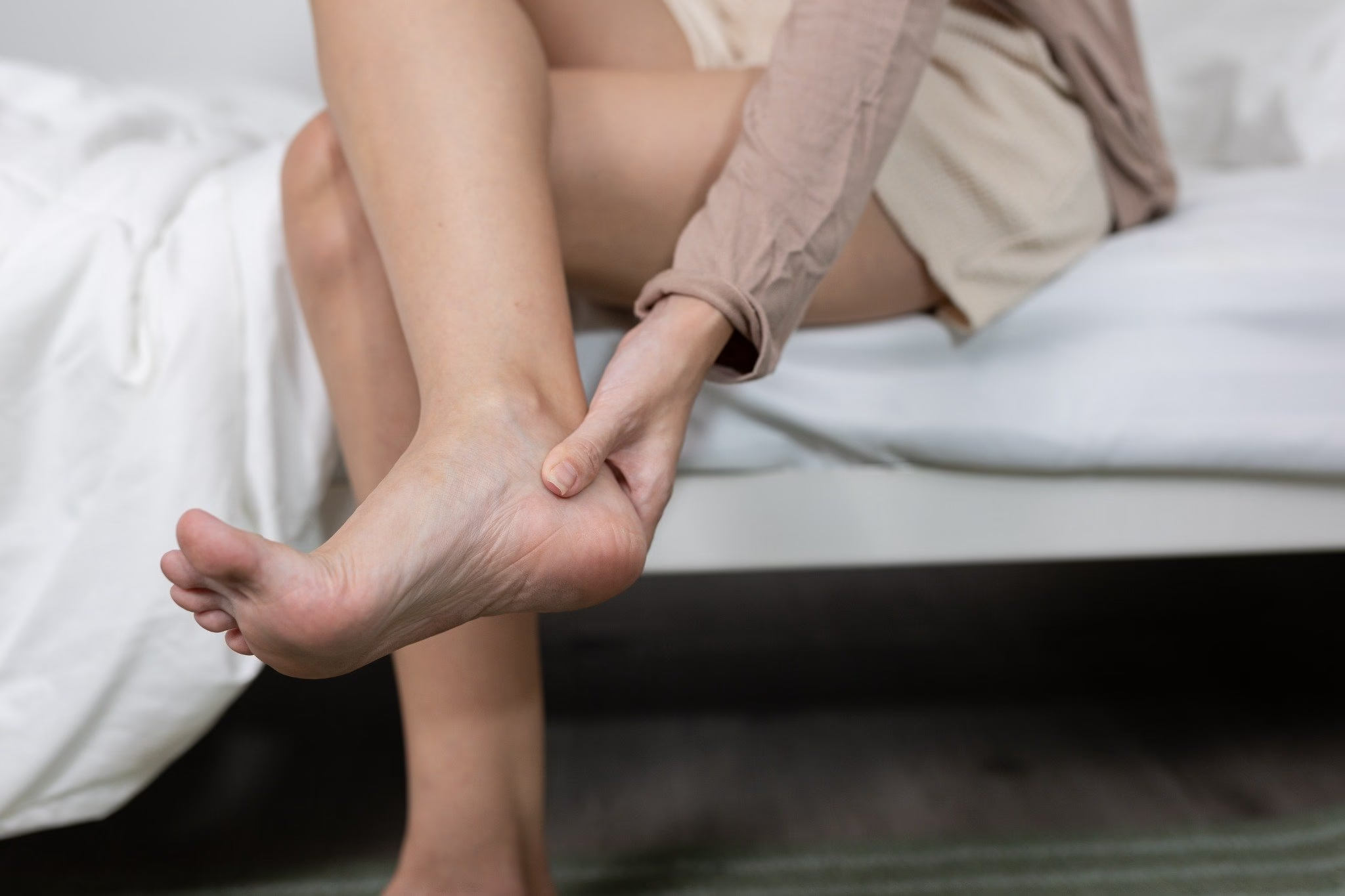
Pain at the back of the ankle may begin progressively and worsen with walking, sports, climbing stairs, or morning activity.

If left untreated, the condition can become chronic and significantly affect mobility and quality of life.

Common Symptoms

Patients with Achilles tendinitis often describe:

  • Pain behind the ankle
  • Morning stiffness
  • Pain during sports or walking
  • Tenderness along the tendon
  • Swelling or thickening of the tendon
  • Tight calf muscles

Ultrasound examination is often very helpful to evaluate tendon thickening, inflammation, microtears, or degenerative changes.

My Philosophy of Treatment

The Achilles tendon requires a precise and progressive treatment strategy.

My philosophy is based on avoiding unnecessary surgery whenever possible while treating both the tendon and the biomechanical factors contributing to overload.

Rehabilitation and Dry Needling

One of the key aspects of treatment is addressing calf muscle tightness and lower limb mechanics.

Dry needling may help reduce muscular tension in the calf muscles and improve flexibility and tendon loading patterns.

This is often combined with:

  • Eccentric strengthening exercises
  • Stretching protocols
  • Activity modification
  • Footwear optimization
  • Progressive rehabilitation

Ultrasound-Guided Infiltration

In selected chronic cases, ultrasound-guided procedures may be considered.

Precision is extremely important around the Achilles tendon because certain injections directly inside the tendon may increase rupture risk. Ultrasound guidance improves safety and accuracy.

Depending on the condition, regenerative treatments such as PRP may also be discussed.

When Is Surgery Necessary?

Surgery is considered only for resistant chronic cases, tendon tears, or major degenerative changes that fail conservative management.

Surgical treatment may involve:

  • Removal of degenerative tissue
  • Tendon repair
  • Tendon reinforcement procedures

However, many patients recover successfully through structured non-surgical treatment.

A Modern and Personalized Orthopedic Approach

Successful Achilles tendinitis treatment requires more than simply reducing pain.

My approach combines:

  • Precise diagnosis
  • Functional assessment
  • Ultrasound evaluation
  • Dry needling
  • Rehabilitation
  • Image-guided infiltrations
  • Surgery only when truly necessary

The goal is to restore movement, function, and long-term tendon health while helping patients safely return to their daily and athletic activities.

Tennis Elbow: Why Elbow Pain Is Not Always About Tennis

What Is Tennis Elbow?

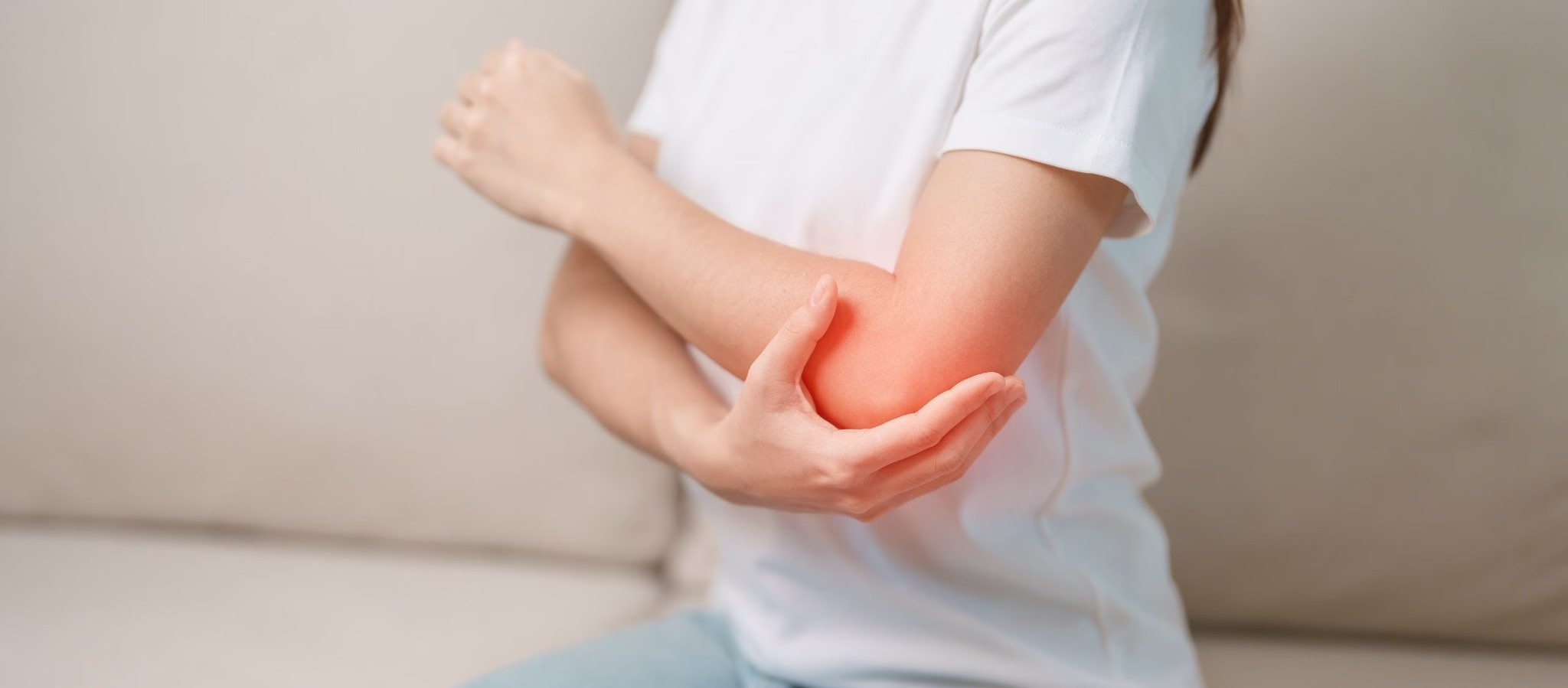
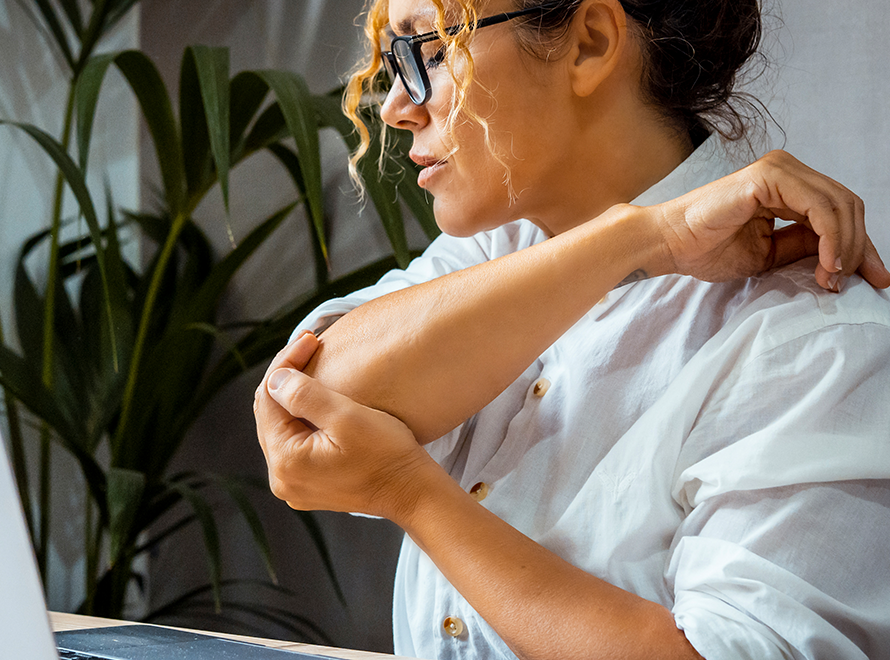
Tennis elbow, also known as lateral epicondylitis, is one of the most common causes of elbow pain. Despite its name, most patients who suffer from tennis elbow are not tennis players.

This condition results from degeneration and overload of the extensor tendons of the forearm, particularly where they attach to the outer side of the elbow.a

Repetitive movements, lifting activities, sports, manual work, prolonged computer use, and overuse can all contribute to tendon irritation.

Symptoms of Tennis Elbow

Typical symptoms include:

  • Pain on the outer side of the elbow
  • Pain when lifting objects
  • Weak grip strength
  • Pain during twisting movements
  • Difficulty performing repetitive hand activities
  • Forearm tightness and muscular overload

In chronic cases, the tendon may become degenerative rather than simply inflamed.

My Treatment Philosophy

In my practice, treatment focuses on identifying the true source of pain and restoring tendon function progressively.

Many patients are told they need surgery too early, while in reality most cases improve with a structured conservative approach.

The Role of Dry Needling

Dry needling is particularly useful in patients with associated muscular tension in the forearm.

The forearm muscles often become overloaded and develop trigger points that increase stress on the tendon insertion. Treating these muscular imbalances may significantly reduce pain and improve recovery.

Dry needling is frequently combined with rehabilitation exercises to optimize tendon healing.

Ultrasound-Guided Infiltration and PRP

When symptoms persist despite physical therapy, infiltration treatments may be considered.

Corticosteroid Infiltration

Corticosteroid injections may provide short-term pain relief in highly inflammatory phases. Ultrasound guidance improves precision and safety.

PRP Infiltration

For chronic degenerative tendinopathy, Platelet-Rich Plasma (PRP) may stimulate biological healing of the damaged tendon tissue.

PRP is especially useful in resistant chronic cases where tendon degeneration is present.

When Is Surgery Considered?

Surgery is only indicated after failure of prolonged conservative treatment.

The surgical procedure generally involves removing degenerative tendon tissue and stimulating healing.

Fortunately, the majority of patients improve without surgery when treatment is personalized and progressive.

Treating the Cause, Not Only the Symptoms

My approach combines:

  • Detailed clinical evaluation
  • Ultrasound assessment when needed
  • Rehabilitation
  • Dry needling
  • Ultrasound-guided infiltrations
  • Surgery only as a final option

The objective is to help patients return to daily activities, sports, and work safely while avoiding unnecessary invasive treatment whenever possible.

De Quervain’s Disease: When Thumb Pain Starts Limiting Your Life

Understanding De Quervain’s Tenosynovitis

Pain at the base of the thumb can make simple daily activities surprisingly difficult. Opening a jar, lifting a child, typing on a phone, or even turning a key may become painful. One of the most common causes of this pain is De Quervain’s tenosynovitis.

This condition occurs when the tendons responsible for thumb movement become inflamed as they pass through a narrow tunnel on the wrist side of the thumb. Repetitive hand use, overuse, sports, lifting activities, and hormonal changes can all contribute to this painful condition.

Common Symptoms

Patients with De Quervain’s disease often experience:

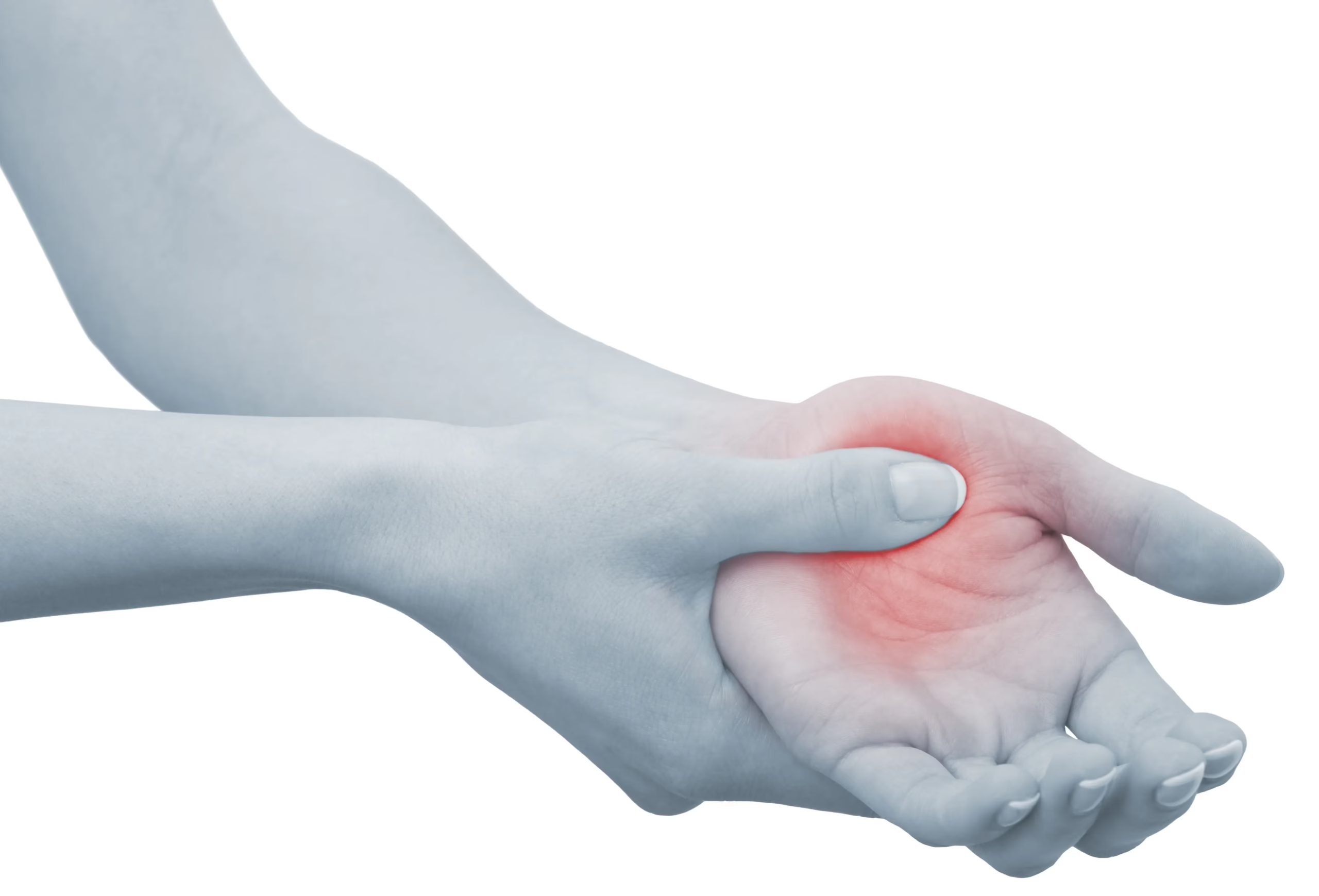
  • Pain on the thumb side of the wrist
  • Pain when gripping or lifting objects
  • Swelling near the thumb base
  • Difficulty using the hand during daily activities
  • Sharp pain when moving the thumb
  • Weakness during pinching movements

The diagnosis is usually confirmed clinically during examination and may be supported with ultrasound imaging to evaluate tendon inflammation.

My Treatment Philosophy

At my practice, the goal is always to start with the least invasive and most effective solution possible.

Many patients improve significantly without surgery when the condition is treated early and precisely.

Conservative Treatment First

Initial treatment may include:

  • Activity modification
  • Wrist and thumb support
  • Anti-inflammatory treatment
  • Physical therapy
  • Dry needling for associated muscular tension

Dry needling can help reduce muscular overload around the forearm and improve tendon mechanics by decreasing abnormal tension patterns contributing to inflammation.

Ultrasound-Guided Infiltration

When pain persists despite conservative care, an ultrasound-guided corticosteroid infiltration may provide excellent relief.

Using ultrasound guidance allows precise placement of the medication around the inflamed tendon sheath while minimizing risks to surrounding structures. Precision matters, especially in delicate areas such as the wrist where skin and tendons are superficial.

Many patients experience rapid pain relief and regain normal hand function after infiltration.

When Is Surgery Necessary?

Surgery is reserved for resistant cases that fail conservative management and infiltrations.

The procedure consists of releasing the tight tendon compartment to allow the tendons to glide normally again. It is generally a short and effective surgery with good outcomes when appropriately indicated.

However, surgery should not be the first step. Proper diagnosis, rehabilitation, and targeted treatment often avoid unnecessary procedures.

A Personalized Approach

Every patient is different. My philosophy is based on combining accurate diagnosis, modern minimally invasive techniques, rehabilitation, and surgery only when truly necessary.

The objective is not simply to reduce pain temporarily, but to restore long-term hand function and quality of life.

Meniscus Tear Surgery in Dubai: When Is an Operation Truly Necessary?

Learn when meniscus tear surgery in Dubai is necessary, which tears require surgery, and when
conservative treatment is no longer sufficient.

Meniscus Surgery Is About Timing, Not Urgency
Avoiding surgery at all costs is not the goal.
Rushing into surgery without proper indication is equally problematic.

The real question is:
When does surgery become the best solution for this knee?

Symptoms That May Require Meniscus Surgery
Meniscus surgery in Dubai is considered when patients experience:
 True mechanical locking of the knee
 Recurrent catching or blocking
 Persistent pain despite proper conservative treatment
 Recurrent knee effusions
 Functional limitation affecting work or daily life
These signs suggest the tear is mechanically unstable, not just visible on MRI.

Meniscus Tears That Often Require Surgery
Surgery is more commonly indicated in:
 Bucket-handle tears
 Displaced meniscal fragments
 Acute traumatic tears
 Meniscus tears associated with ACL injuries
 Tears causing repeated mechanical symptoms
In these cases, injections and physiotherapy alone are unlikely to resolve the problem.

Surgical Options for Meniscus Tears in Dubai
The surgical strategy depends on:
 Tear type and location
 Vascular supply of the meniscus
 Patient age and activity level
Meniscal Repair (Suture)
 Preferred whenever possible
 Preserves meniscal function
 Requires structured rehabilitation

 Best for young or active patients
Partial Meniscectomy
 Removal of unstable fragments only
 Aims to relieve mechanical symptoms
 Should always be as conservative as possible
Total meniscectomy should be avoided due to long-term cartilage damage.

Surgery Is Only Part of the Treatment
Successful meniscus surgery depends on:
 Proper indication
 Precise surgical technique
 Structured postoperative physiotherapy
 Gradual return to activity
Surgery without rehabilitation is incomplete treatment.

Long-Term Objective
The goal of meniscus surgery is not only pain relief,
but long-term knee preservation.

If knee pain persists despite conservative treatment,
or if you experience locking or instability,
a specialist meniscus surgery evaluation in Dubai can determine whether surgery is truly
necessary and which option best preserves your knee.

Meniscus Tear Treatment in Dubai: Why Conservative Care Comes First

Meniscus tear treatment in Dubai using a conservative approach. Learn when injections and
physiotherapy can relieve knee pain without surgery.

Knee Pain and Meniscus Tears: A Common Situation in Dubai
In Dubai, many patients consult for knee pain after an MRI report shows a meniscus tear. Very
often, they are advised surgery immediately, even when symptoms are moderate.
However, a meniscus tear on MRI does not automatically explain knee pain, and it certainly
does not always require surgery.
The correct approach starts with understanding the clinical behavior of the knee, not just
imaging results.

Treating the Knee, Not the MRI
MRI technology is extremely sensitive. In adults, especially after the age of 35, meniscus lesions
are frequently found in pain-free knees.
In clinical practice:
 Pain often comes from inflammation, overload, or muscle imbalance
 The meniscus tear may be present but not mechanically problematic
 Operating based on imaging alone can accelerate cartilage damage
This is why conservative treatment is often the first-line option for meniscus tears in Dubai.

When Conservative Meniscus Treatment Is Appropriate
A non-surgical approach is usually indicated when:
 Knee pain developed progressively
 There is no true locking of the knee
 Full knee extension is preserved
 Swelling is intermittent

 Pain worsens with activity but improves with rest
These situations represent the majority of meniscus consultations in Dubai.

Conservative Meniscus Tear Treatment in Dubai: My Philosophy
Conservative care is not passive care.
It is a structured strategy combining injection therapy and physiotherapy.

Ultrasound-Guided Knee Injections
When pain or inflammation limits movement, physiotherapy alone often fails.
In these cases, ultrasound-guided knee injections are used to:
 Reduce intra-articular inflammation
 Control pain precisely
 Create the conditions needed for effective rehabilitation
Injections are:
 Image-guided for accuracy
 Used to support recovery, not to mask pain
 Always combined with rehabilitation
An injection without physiotherapy is incomplete treatment.

Physiotherapy for Meniscus Tears
Physiotherapy is the cornerstone of conservative treatment.
Rehabilitation focuses on:
 Quadriceps and hamstring strengthening
 Hip and gluteal muscle control
 Proprioception and knee stability
 Correction of movement patterns
 Load management for daily activities and sports
A meniscus does not fail in isolation.

It suffers when knee biomechanics are altered.

Expected Results With Conservative Meniscus Treatment
When correctly indicated, patients often experience:
 Progressive pain reduction
 Improved knee confidence
 Decreased swelling
 Return to daily activities
 Avoidance of surgery in many cases
Most importantly, this approach preserves the meniscus and protects long-term knee health.

Key Principle
A meniscus tear does not automatically require surgery.
Conservative treatment should always be considered first.

If you were advised knee surgery based mainly on MRI findings,
a personalized meniscus evaluation in Dubai can determine whether conservative treatment
with injections and physiotherapy is still appropriate.